
The Darkside of ِElectrical Cars, A Hell to the People of Congo
There’s been a debate that Electric cars are supposed to be a great alternative for the mechanic cars due to the fact of soil with water contamination, posing a threat to the ecosystem etc,in which electric cars are supposed to be a better alternative like the saying goes nothing good in life comes without a cost but at what cost? like the batteries catching fire, the overriding of their systems which could put their passengers life at risk etc.
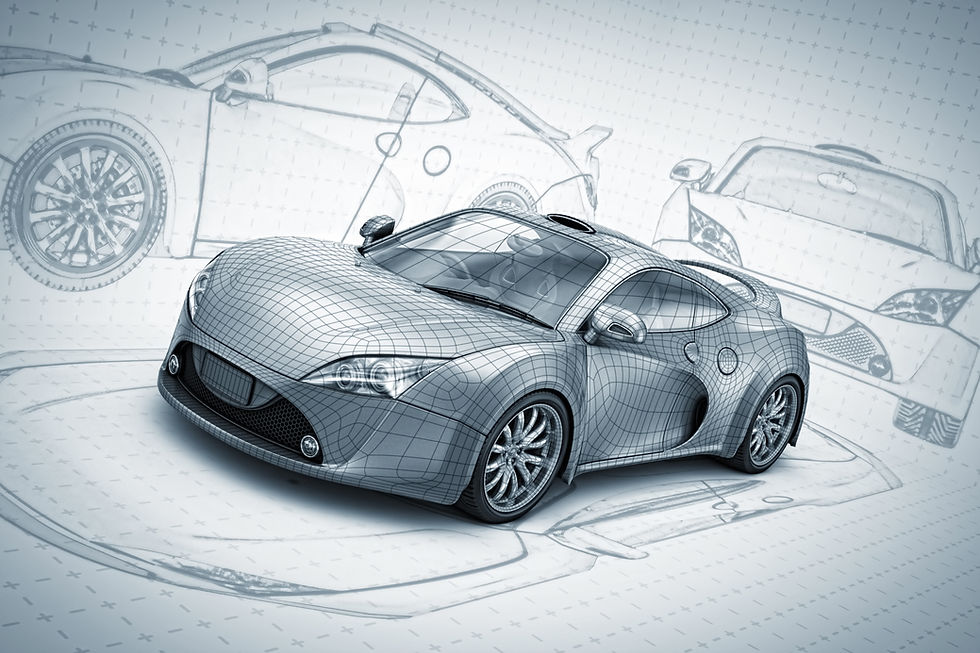
WHAT ARE ELECTRIC CARS?
Electric cars are cars that have an electric motor instead of an internal combustion engine, they function by being plugged into a charged point to take electricity from a grid in other words they can be referred to perform the same way the our phones or gadget perform. They store the electricity in rechargeable batteries that power an electric motor, which turns the wheels.
Electric cars accelerate faster than vehicles with traditional fuel engines – so they feel lighter to drive
WHAT TYPES OF ELECTRIC CARS ARE THERE?
Plug-in Electric cars : this car runs entirely and purely on electricity and gets all it’s power when it’s plugged in to charge. This type of car does not need petrol or diesel, so it doesn't produce emissions like traditional cars.
Plug-in Hybrid : These cars mainly run on electricity but also have a traditional fuel engine, so you can use petrol or diesel too if they run out of charge. When running on fuel, these cars will produce emissions, but when they're running on electricity, they won't. Plug-in hybrids can be plugged into an electricity source to recharge their battery.
Hybrid- Electricity : These run mainly on fuel like petrol or diesel but also have an electric battery too, which is recharged through regenerative braking. These let you switch between using your fuel engine and using 'EV' mode at the touch of a button. These cars cannot be plugged into an electricity source and rely on petrol or diesel for energy.
WHAT ARE THE INNER PARTS OF AN ELECTRIC VEHICLE?
EVs have 90% fewer moving parts than an ICE (Internal Combustion Engine) car. Here's a breakdown of the parts that keep an EV moving:
Electric Engine/Motor - Provides power to rotate the wheels. It can be a DC/AC type. However, AC motors are more common.
Inverter - Converts the electric current in the form of Direct Current (DC) into Alternating Current (AC)
Drivetrain - Most EVs have a single-speed transmission, which sends power from the motor to the wheels.
Batteries - Store the electricity required to run an EV. The higher the kW of the battery, the higher the range.
Charging - Plug into an outlet or EV charging point to charge your battery.
WHAT ARE THE DANGERS?
Electric cars batteries which is Li-ion batteries contain cathode (NMC or LFP), anode (Graphite or Silicon), separator (PVDF polymer) and Electrolyte. Cathode and anode are coated on Al and Cu current collectors respectively. So, in the case of NMC batteries, the main metals present are lithium, manganese, cobalt, nickel, graphite, Aluminum and copper. Keep in mind that Congo is one of the greatest exporters of an estimated 70 percent of the world’s known cobalt, a vital component of lithium-ion batteries for electric vehicles and other green energy products. The dense forests, rugged highlands and lakeshores of the eastern DRC are pocked with both industrial and artisanal mines, guarded by armed militias and worked by hundreds of thousands of men, women and children who are effectively enslaved as , where five-year-old children wielding crude shovels and scraps of rebar represent the bottom of a global supply chain that ends on the factory floors of some of the world’s richest and most powerful companies. And cobalt itself is toxic to touch and breathe? Very toxic. So all these people are being exposed to toxic cobalt dust and particulates and ore every day. Birth defects are on the rise, cancers, thyroid disease, neurological ailments, respiratory ailments, skin rashes and dermatitis. But no one at the top of the chain is talking about good health practices and protective gear. You can live in that part of the Congo and have nothing to do with cobalt mining, but you’re still being poisoned every day. More than 250 local and 14 foreign armed groups are fighting for territory, mines or other resources in the DRC’s five easternmost provinces, the government’s stabilization agency for the region said last year. Over 30-plus years, the fighting has drawn in armed forces from Uganda, Rwanda and Burundi. Tens of thousands of U.N. peacekeeping forces, soon to withdraw, and African regional troops have tried to restore order and help the government establish real authority. Siddharth Kara:who went to visit the people in congo said he witnessed accidents that traumatized him where he said “At one industrial mine, children, barefoot or in flip flops, had to make their way up this 30-, 40-meter wall roughly at a 45-degree angle. It was just stone and gravel shifting beneath their feet. They would fill sacks that were 20, 30, 40 kilograms, depending on how big and strong they were, and then come back down carrying them. Some would lose their footing and tumble all the way to the ground. They end up with shattered legs and spines.”
References :
Writer: Marcella Azuekwu
Editor: Ananya


Comments